



1. Water pressure rises and falls while you use it
Normal well systems do not hold one exact pressure. Most use a pressure switch with a cut-in and cut-out range, often around 30/50 or 40/60 psi. You may feel a small change as the pump turns on and off. Large swings are different. If the shower starts strong, drops hard, then surges back, the system is not storing or delivering pressure correctly.
Pressure swings can point to a waterlogged pressure tank, a failing pressure switch, a clogged filter, a weak pump, or a leak drawing pressure down. The pressure gauge and pump cycle timing help separate those causes.
2. The pump turns on and off rapidly
Short cycling is one of the clearest warning signs in a pressure system. Instead of running long enough to refill the pressure tank, the pump starts, stops, starts again, and repeats. That pattern is hard on motors, controls, and wiring.
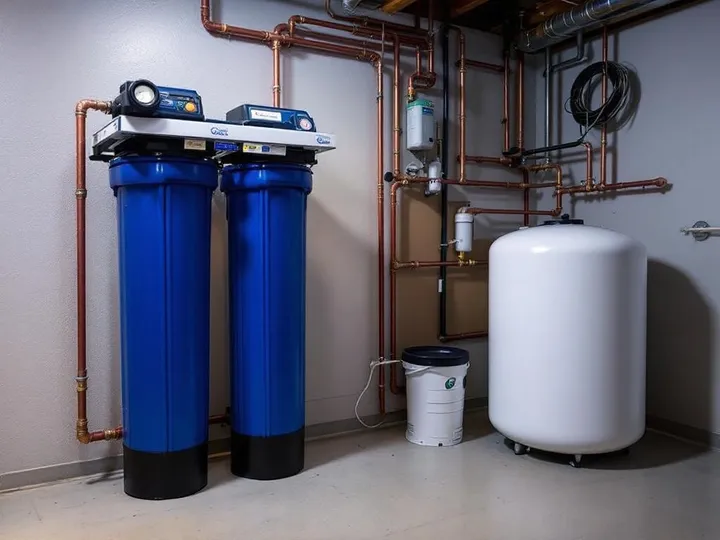
A common cause is a pressure tank that has lost its air charge or has a failed bladder. Without the air cushion, the tank cannot store usable drawdown, so the pressure switch commands the pump constantly. Short cycling should be diagnosed quickly because it can turn a tank problem into a pump failure.
Do not ignore this
Rapid cycling can burn out a pump that might otherwise have kept working after a tank repair.
3. Air spits from faucets
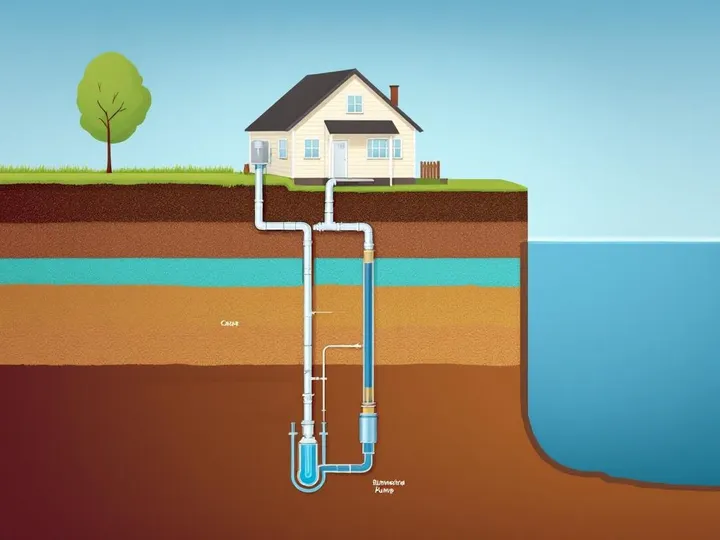
Air at the faucet can come from plumbing work, but recurring air deserves attention. It may point to a leak on the suction side of a jet pump, a failing check valve, a well drawing down below the pump intake, or gas naturally present in the water.
The pattern matters. Air after recent plumbing work may clear. Air that appears when water use is heavy can suggest the well is struggling to recover. Air every morning can point toward water draining back when the system sits overnight.
4. Equipment gets louder, hotter, or starts buzzing
A pump system should not sound like it is fighting itself. Buzzing at the pressure switch, repeated clicking, chattering relays, hot control boxes, or unusual pump noise can indicate electrical problems, failing contacts, a stuck switch, or a motor under stress.
Electrical symptoms are not a good place for guesswork. If a breaker trips more than once, leave it off and call for service. Repeatedly resetting a tripping circuit can damage equipment and create a safety risk.
5. The electric bill rises without another explanation
A well pump that runs too often uses more electricity. That can happen because of a hidden leak, a failing pressure tank, a pressure switch problem, a stuck running pump, or a pump working harder than it used to.
One useful check is to make sure no fixtures are running, then watch the pressure gauge. If pressure falls while the house is not using water, something is drawing water or pressure is escaping. That does not identify the exact cause, but it confirms the system needs diagnosis.
The symptom is not the diagnosis
Many pressure problems look similar from inside the house. Low pressure can be a pump problem, but it can also be a clogged sediment filter, a failing tank, a bad switch, a leak, mineral buildup, or a well yield issue. Replacing the pump without checking the system can miss the real cause.
A proper service visit checks the pressure gauge, tank air charge, switch operation, electrical draw, control components, visible leaks, filter restriction, and well recovery clues. The goal is not just restoring water today. It is preventing the same failure from returning.
Pressure problem?
Have the system diagnosed before replacing parts.
Cribley services private well pumps, pressure tanks, switches, and no-water calls across southeast Michigan.