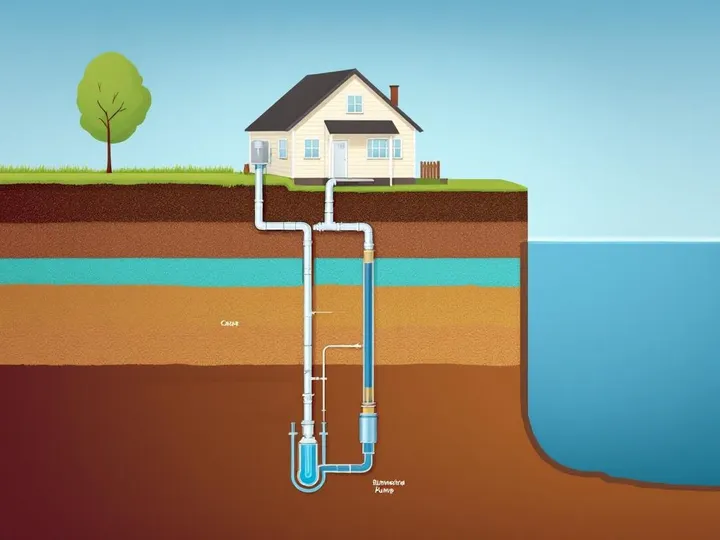

Drilling a well isa permanentdecision.
Get it right the first time.
Cribley has drilled new residential, agricultural, geothermal, and commercial wells in southeast Michigan continuously since 1946. We know Washtenaw and Livingston County aquifer depths, township permitting, and what produces safe, reliable water from your specific property — before the rig arrives.
Four well types.Each one has its own geology, sizing, and permit reality.
A residential well and a farm irrigation system are not the same job. Two wells drilled 200 yards apart on the same road can reach different aquifers at different depths. The right rig, the right casing, and the right documentation depend on what you are drilling for — and what is under your specific property.
- 01Residential
New residential wells
Single-family · new construction
Single-family homes, new construction, and property replacements. Sized for household demand and drilled to the aquifer depth your township's geology requires. Most southeast Michigan residential wells reach a productive aquifer between 80 and 180 feet — though specific depth depends on what is under your lot, not the lot next door.
- Typical depth
- 80–180 ft
- Sizing
- 5–10 GPM · household
- Permit pathway
- ResidentialCounty health department
- 02Agricultural
Agricultural & irrigation wells
Farm irrigation · livestock
Farm irrigation, livestock watering, and multi-use agricultural properties require larger pump systems, higher flow rates, and frequently variable-speed drives that respond to irrigation demand. Agricultural permits carry different volume and reporting requirements than residential — Cribley has drilled and serviced agricultural water across Washtenaw and Livingston since the 1950s.
- Typical depth
- 100–250 ft
- Sizing
- 20–100+ GPM · variable-speed
- Permit pathway
- AgriculturalState + county · volume-reported
- 03Commercial
Commercial & industrial wells
Multi-family · light industrial
Multi-family residential, light industrial, and hospitality operations require documented flow rates, pressure stability, and a service relationship that holds up when an inspector asks questions. We commission to specification and provide the documentation the property owner and the local authority both need.
- Typical depth
- 120–220 ft
- Sizing
- Sized to specification
- Permit pathway
- CommercialState + county · documented
- 04Geothermal
Geothermal loop field drilling
Ground-source HVAC
Ground-source heat pump systems require vertical loop field wells drilled to specific depths and spacings. Cribley drills geothermal loop fields for residential and commercial HVAC installs across southeast Michigan — coordinating with your HVAC contractor on depth, spacing, and grouting to match the heat-load calculation.
- Typical depth
- 150–300 ft · per loop
- Sizing
- 4–20 loops · property-specific
- Permit pathway
- GeothermalLocal + state environmental
How a new wellgets drilled — start to live system.
- 01
Site evaluation & permit
A Cribley driller visits your property to assess soil conditions, identify the best drill location, and review the permitting requirements for your township. In southeast Michigan, permits are county-specific — we handle the paperwork and the inspector conversations so you do not have to.
- Permit
- County-handled · we file
- 02
Drilling & casing
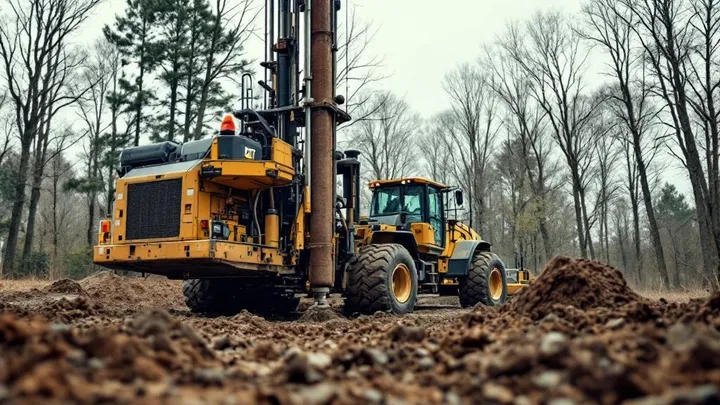
Our rotary drill rig reaches your aquifer — typically 80 to 200 feet in Washtenaw and Livingston Counties, depending on what is under your specific lot. Steel casing is installed to seal the well from surface contamination. The well log is recorded as we drill.
- Rig
- Rotary · steel casing
- 03
Development & testing
The new well is developed to flush drilling material, then tested for sustained flow rate and water quality. We want to know what your water contains before we hand the system over — not after the first family shower turns the laundry orange.
- Tests
- Flow · GPM · water quality
- 04
Pump install & commissioning
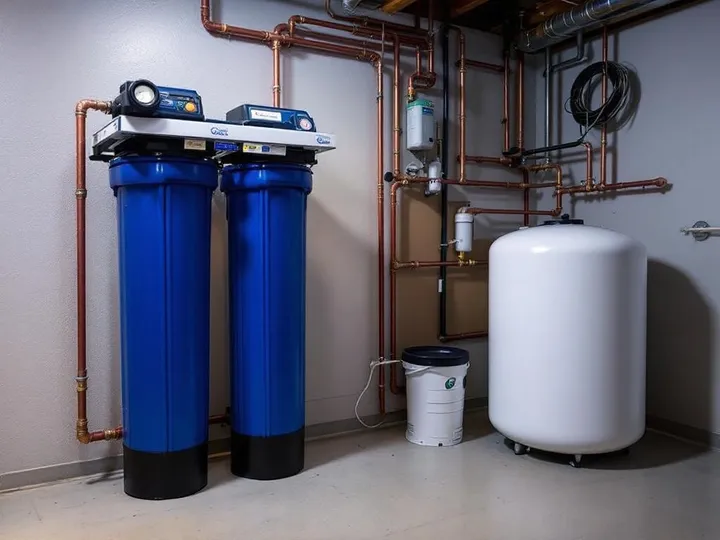
A submersible pump sized to your property's demand is installed. The pressure tank and any additional system components are connected and commissioned. You get a complete well system — live, pressure-tested, and producing water — not a hole in the ground with a promise attached.
- Hand-off
- Live system · pressure-tested
Ready to discuss your well?A site visit, not a sales pitch.
We come to the property, walk the lot, review township records, and tell you honestly what your project will involve before any commitment.